Why More Retailers are Buying Liquidation Clothing
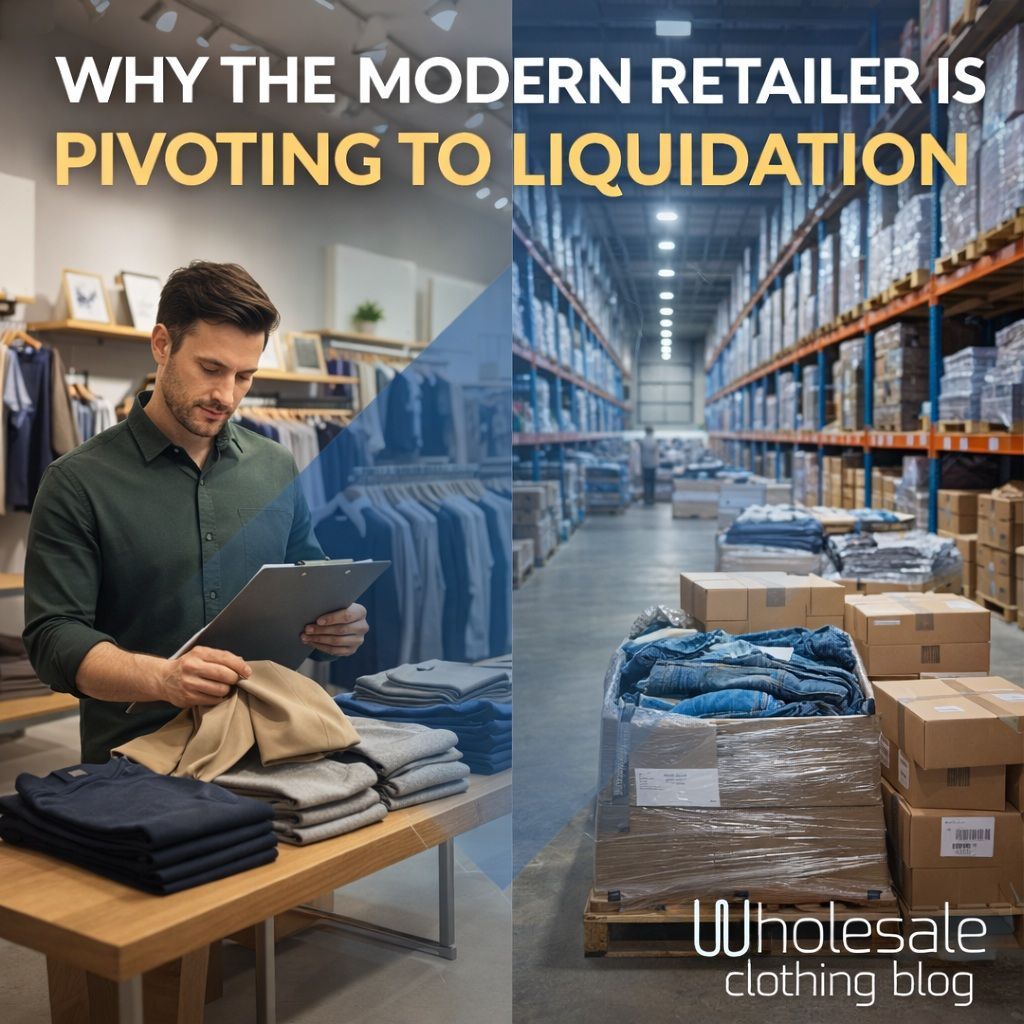
Why the Modern Retailer is Pivoting to Liquidation
The 2026 retail landscape is tighter than ever. Rising shipping and overhead costs are squeezing margins, forcing savvy independent retailers to find smarter ways to source inventory without hiking prices for their customers.
The answer? A strategic pivot to the liquidation market. High-quality overstock and shelf pulls are no longer just for bargain hunters—they are now a primary scaling tool for boutiques and e-commerce giants alike.
Unbeatable Margins: The Math of Liquidation
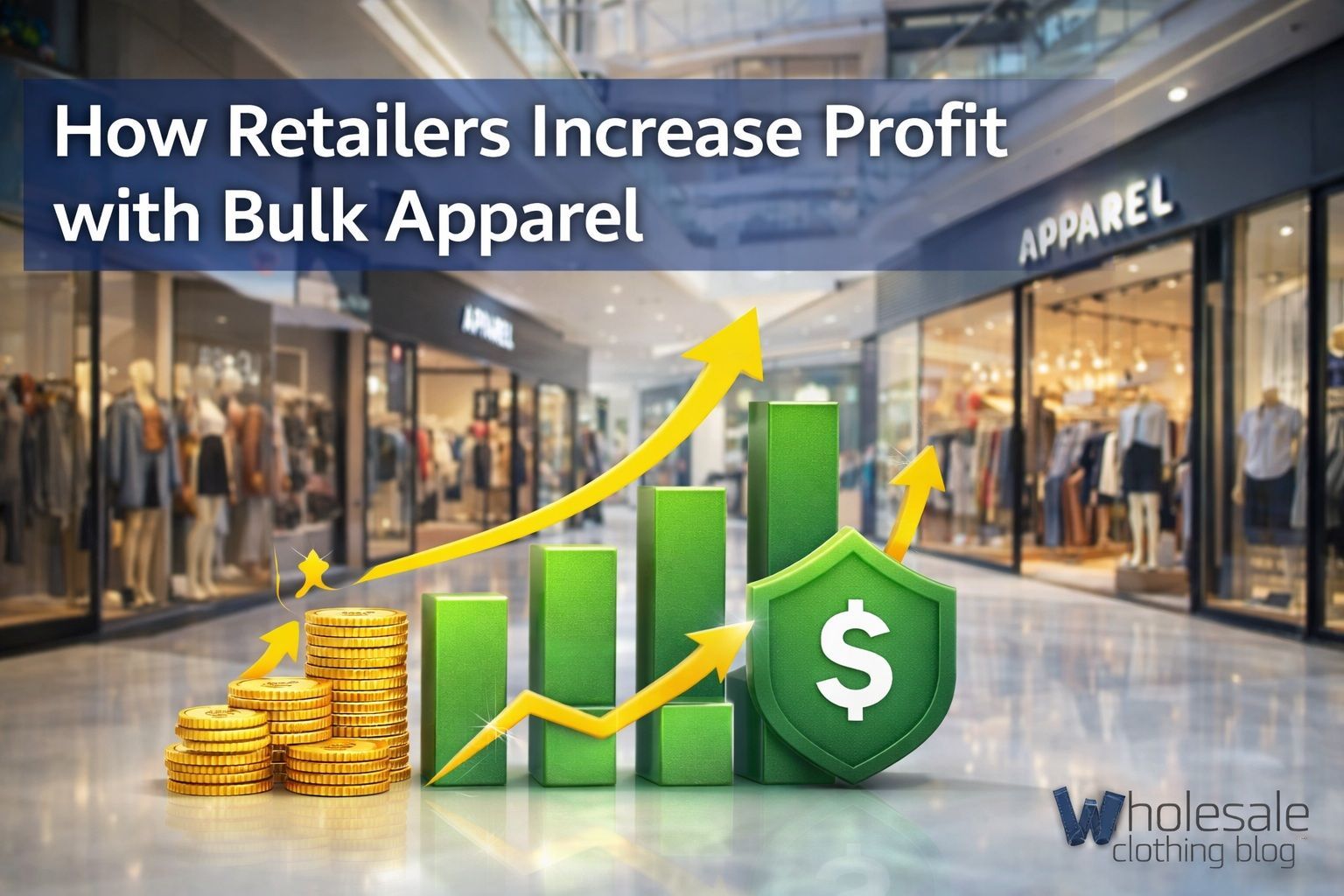
In standard wholesale, your margins are capped by MSRP. By integrating retail resale strategies built on liquidation, you regain control. Acquiring brand-name overstock at cents on the dollar allows for aggressive sales while maintaining massive per-unit profit.
This approach lets smaller shops compete directly with big-box retailers. Lowering your landed cost means you can offer the brands customers want at prices traditional boutiques simply cannot match.
Access to Current Trends and Brand Name Quality
Liquidation isn't synonymous with "out of style." Most high-end loads stem from seasonal transitions. This allows you to source current apparel trends while they are still relevant. Sourcing a Target Overstock Clothing Truckload provides immediate access to thousands of new Men's, Women's, and Children's items.
By purchasing "Direct-Ship" truckloads, you eliminate middle-man markups. This volume-based approach is essential for any modern wholesale buying guide looking to dominate a local or digital market.
Stabilizing Your Shop with Year-Round Basics
While liquidation provides the "treasure hunt" appeal, your shop needs a foundation. Many retailers use a "Hybrid Sourcing" model: using liquidation for high-margin hits while relying on steady staples. Consistent fleece from WholesaleSweats.com or classic tops from WholesalePoloShirts.com ensures revenue stays steady between truckload arrivals.
Consistency and Scalability
Liquidation allows you to scale fast. With streamlined logistics, a single owner can manage a full truckload, instantly diversifying their catalog. This consistent supply builds customer loyalty; shoppers return because they know you’ll always have fresh, high-quality merchandise at a fraction of retail price.
Key Takeaway
The move to liquidation is a necessary evolution. By shifting procurement to high-volume overstock, you protect your business from inflation. In 2026, profit is found in the buy—and the best buys are in liquidation.
More Related Posts