Best Fabrics for Bulk Apparel: Cotton vs Polyester vs Blends
Best Fabrics for Bulk Apparel: Cotton vs Polyester vs Blends
Choosing the right fabric is one of the most important decisions when buying apparel in bulk, especially when the goal is durability, comfort, and long-term value.
As someone who’s spent years reviewing wholesale apparel trends and buyer feedback, I’ve seen how fabric choices impact everything from customer satisfaction to resale performance. In this guide, I’ll break down cotton, polyester, and blended fabrics so retailers, resellers, and organizations can confidently choose what works best for their needs.
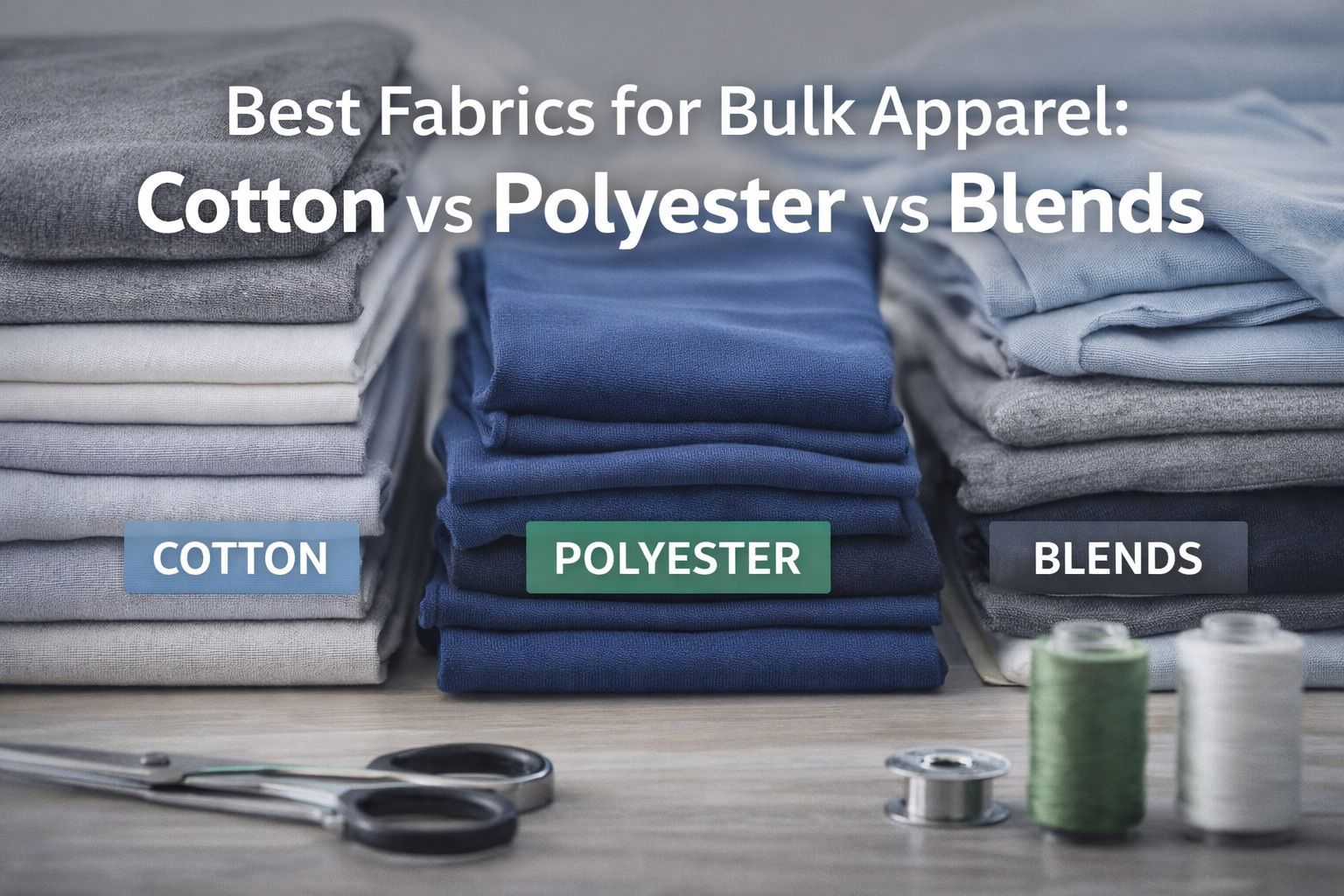
Why Fabric Choice Matters in Bulk Apparel
When you’re ordering apparel by the case, fabric isn’t just a style preference — it affects shrinkage, longevity, print quality, comfort, and overall cost. Bulk buyers don’t have the luxury of testing single pieces, so understanding fabric behavior upfront is critical.
Different end uses demand different fabrics. What works for everyday retail basics may not work for uniforms, athletic wear, or promotional apparel. That’s why experienced buyers evaluate fabric types just as carefully as pricing.
Cotton: Comfort and Familiarity
Cotton remains one of the most popular fabrics in bulk apparel due to its softness, breathability, and natural feel. Customers often associate cotton with comfort, making it a strong choice for t-shirts, polos, and casual everyday wear.
That said, cotton does have drawbacks at scale. It can shrink if not pre-treated, wrinkle easily, and may wear faster in high-use environments. For retailers focused on comfort-first apparel, cotton performs well — but it requires proper sourcing and care instructions.
Polyester: Durability and Performance
Polyester is known for its durability, wrinkle resistance, and color retention. In bulk apparel, it’s commonly used for hoodies, athletic wear, outerwear, and uniforms where longevity matters more than softness alone.
Many large-scale buyers prefer polyester-based items because they hold their shape after repeated washes and dry quickly. This is why performance-focused categories often rely on suppliers that specialize in bulk-only distribution, such as wholesale sweats and fleece apparel, where consistency and durability are priorities.
Fabric Blends: The Best of Both Worlds
Blended fabrics — most commonly cotton/polyester blends — combine comfort with durability. These blends reduce shrinkage, improve wrinkle resistance, and extend garment lifespan while maintaining a softer feel.
For many buyers, blends offer the most balanced option. They’re especially popular in resale environments, uniform programs, and private-label basics where fabric reliability directly impacts customer satisfaction.
Matching Fabric to Your Business Model
The “best” fabric ultimately depends on how the apparel will be used. Retailers selling casual basics may lean toward cotton, while organizations managing uniforms or team apparel often prefer polyester or blends.
Buyers sourcing across multiple categories often reference independent wholesale research hubs like Retail & Resale insights or broader industry resources such as apparel trend analysis to align fabric choices with market demand.
What to Ask Before Buying Bulk Apparel
Before placing a bulk order, buyers should confirm fabric composition, weight, shrinkage expectations, and care requirements. These details are especially important when purchasing by the case, where returns or exchanges are limited.
Experienced buyers also review how fabrics perform across different product categories by studying established wholesale sourcing platforms like WholesaleClothingSource.com, which aggregate insights across multiple apparel segments.
Key Takeaway
Cotton, polyester, and blended fabrics each serve a purpose in bulk apparel buying. Understanding how each fabric performs helps buyers reduce risk, improve sell-through, and build long-term inventory strategies.
By aligning fabric choice with your business model and customer expectations, bulk apparel sourcing becomes not just cheaper — but smarter.
More Related Posts